August 15–20, 2026 · La Jolla, California
49th Annual Course
in Cytometry
A world-class intensive course in flow cytometry —
hands-on labs and lectures taught by recognized experts
August 15–20, 2026 · La Jolla, California
A world-class intensive course in flow cytometry —
hands-on labs and lectures taught by recognized experts
About the Course
Now in its 49th year, the Annual Course in Cytometry is one of the longest-running and most respected intensive training programs in flow cytometry and cell analysis. Set against the backdrop of La Jolla's stunning coastline, this five-day course brings together leading scientists, clinicians, and emerging researchers for an immersive educational experience.
Participants gain hands-on expertise in instrument operation, panel design, data analysis, and cutting-edge cytometric technologies — all taught by a world-class faculty of cytometry experts. Whether you are new to flow cytometry or looking to deepen your advanced skills, this course offers an unmatched combination of didactic lectures and personalized laboratory sessions.
This course is built on a simple principle: for the community, by the community. Our faculty are working cytometrists who volunteer their time because they believe in accessible, high-quality education for the field. The course is a non-profit endeavor organized and overseen by Cytometry Educational Associates, Inc. (CEAI), a 501(c)(3) nonprofit dedicated to advancing cytometry education. Registration fees are kept as low as possible and go directly toward supporting the course.
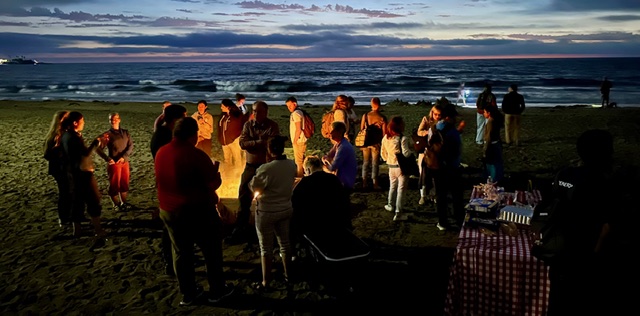
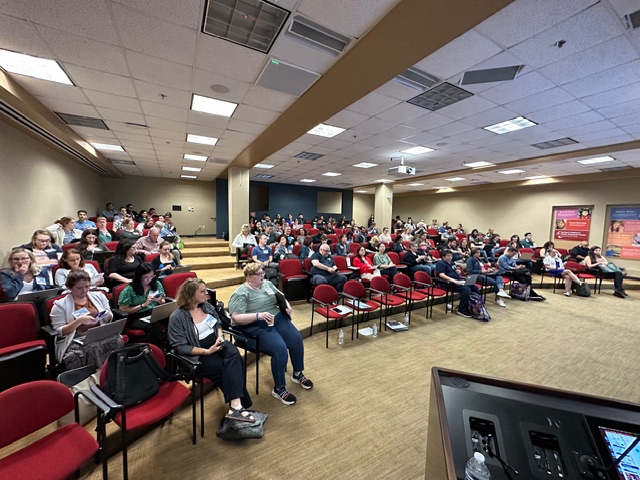
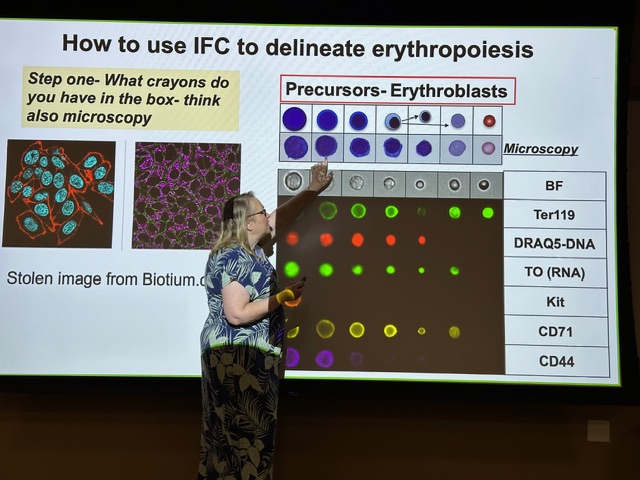
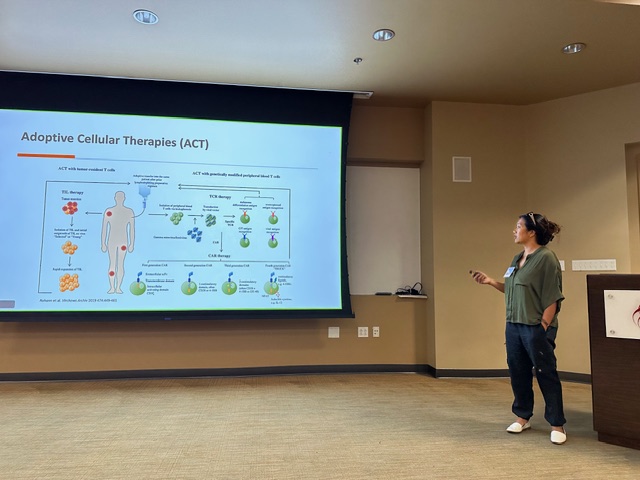
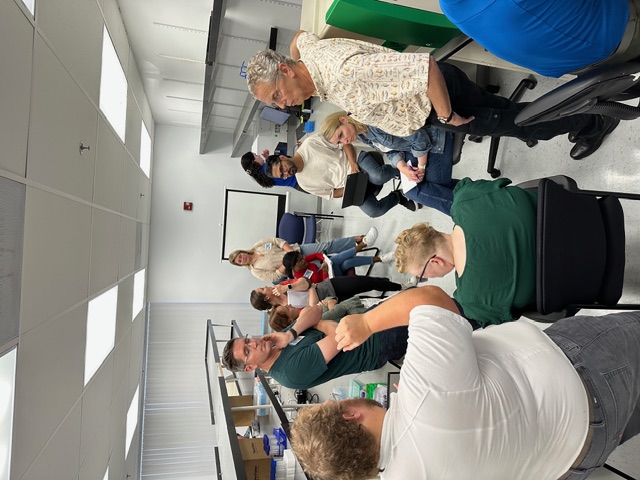
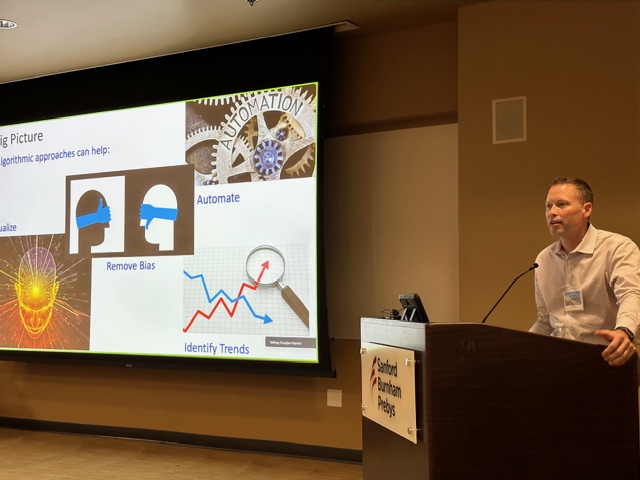
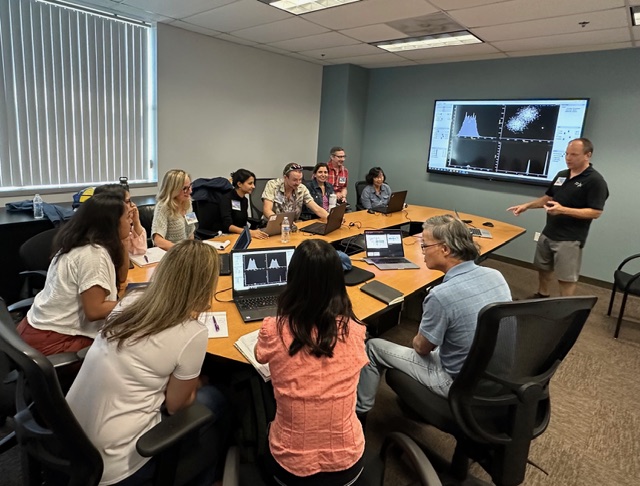
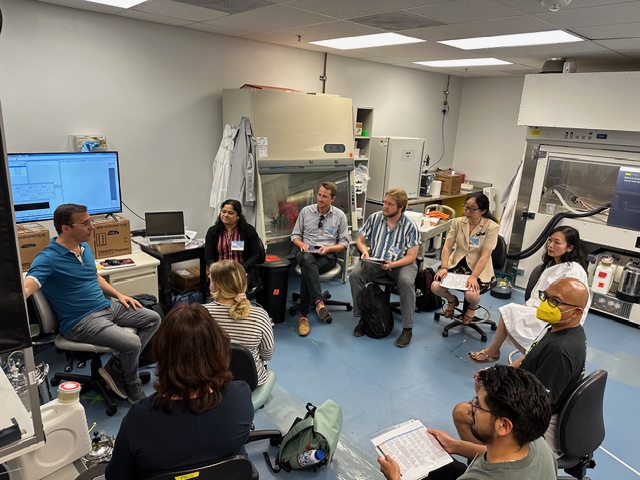
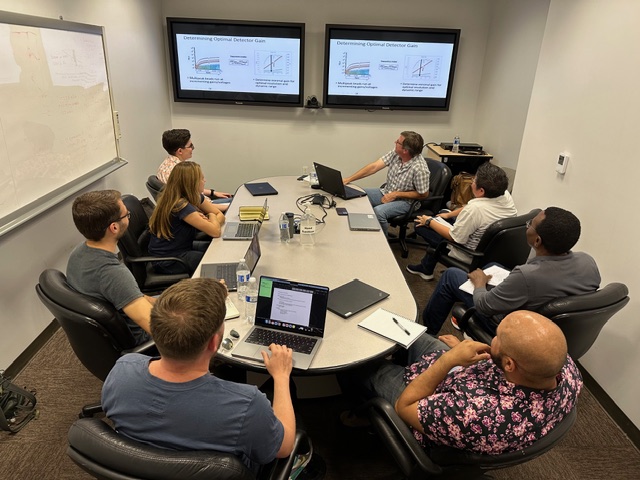
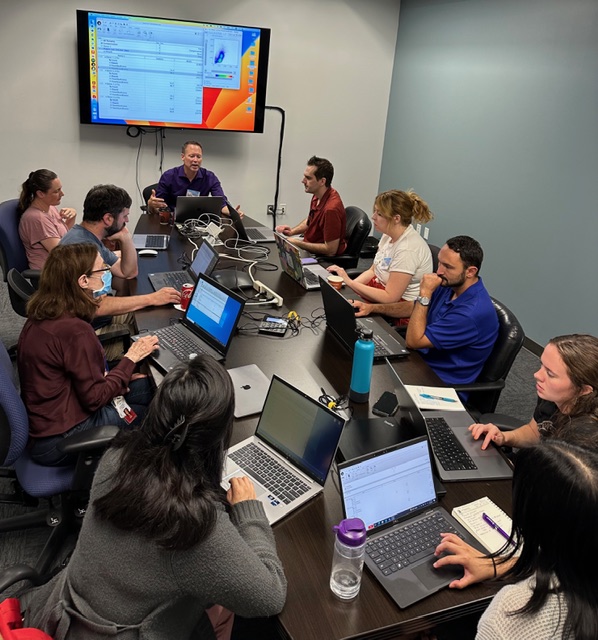
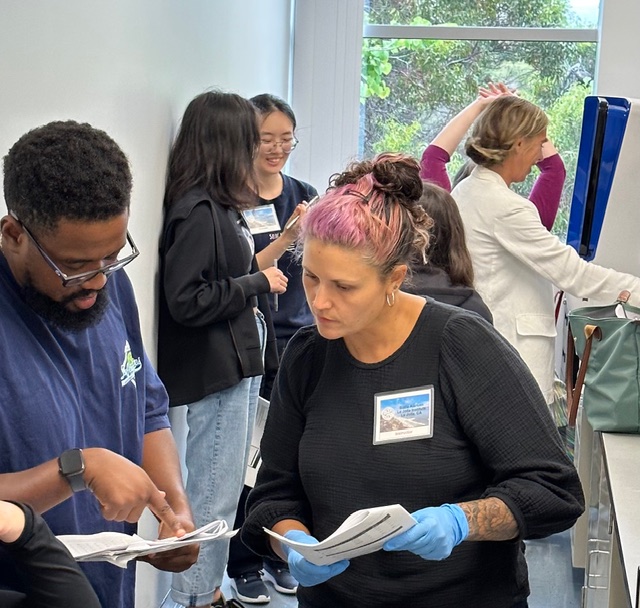
43rd Annual Course · San Diego, 2023
The Program
Principles of flow cytometry: light scatter, fluorescence detection, fluidics, and the fundamentals of single-cell analysis.
Key concepts of flow data acquisition — thresholding, PMT voltage, coincidence, sample throughput, and getting it right the first time.
Daily and periodic quality control protocols, bead-based performance tracking, and systematic approaches to identifying and resolving instrument issues.
Fluorescence chemistry fundamentals, fluorochrome properties, spectral overlap, and selecting the right reagents for your assay.
Core flow cytometry applications beyond immunophenotyping — cell cycle, proliferation, viability, apoptosis, and functional assays.
Immune cell biology, surface marker expression, and the foundations of leukocyte immunophenotyping by flow cytometry.
Annual keynote address highlighting advances and emerging directions in cytometry. Speaker to be announced.
Rigorous multicolor panel design: fluorochrome selection, spillover spreading, controls, titration, and validation strategies for reproducible assays.
Full spectrum detection, spectral unmixing algorithms, autofluorescence removal, and best practices for running spectral cytometry experiments.
Computational approaches to high-dimensional cytometry data: dimensionality reduction (UMAP, tSNE), automated clustering, batch correction, and visualization.
Bridging research and clinical laboratory practice: assay standardization, regulatory considerations, and translating flow cytometry into clinical settings.
Principles and practice of high-speed cell sorting: instrument setup, drop delay, sort logic, purity vs. yield trade-offs, and experimental design.
Biosafety principles specific to flow cytometry and cell sorting: risk assessment, containment levels, aerosol management, and regulatory compliance.
Combining the throughput of flow cytometry with the morphological power of imaging — platforms, applications, and analytical strategies.
Single-cell genomics and spatial transcriptomics: integration with cytometry workflows, multiomics approaches, and emerging applications.
Cutting-edge and non-traditional cytometry applications: morphotyping, autofluorescence-based characterization, AI-driven analysis, and next-generation platforms.
Best practices for designing rigorous, reproducible cytometry experiments: power calculations, standardization, record keeping, and reporting standards.
A look back at the pioneering discoveries, instruments, and personalities that shaped cytometry from its origins to the present day.
Practical guidance on managing a flow cytometry shared resource: user training, billing, procurement, instrument maintenance, and stakeholder relations.
High-throughput sample handling, robotic automation, plate-based acquisition, and integrating automation into research and clinical workflows.
Artificial intelligence and ML applied to cytometry data: current tools, emerging platforms, and the future of automated single-cell analysis.
Applications of flow cytometry in clinical laboratory and diagnostic settings: immunophenotyping for disease monitoring, regulatory considerations, assay standardization, and translation from research to clinical practice.
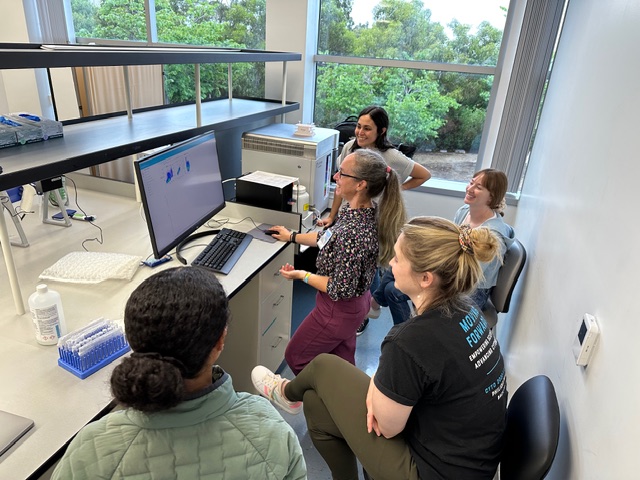
The course offers 12 hands-on laboratory sessions spanning a broad range of cytometry platforms and techniques. Because small group sizes are essential for meaningful hands-on learning, each participant attends 5 labs. Before the course, you rank all 12 labs by preference — assignments are made to honor your highest-ranked choices, and in practice most participants receive labs from within their top 7. Lab assignments are confirmed and sent to participants prior to the course start date.
Complete course registration and payment via our online form
Rank all 12 labs by preference — we use your rankings to make assignments
Your 5 assigned labs are confirmed before the course begins
Small-group lab sessions with direct access to instruments and instructors
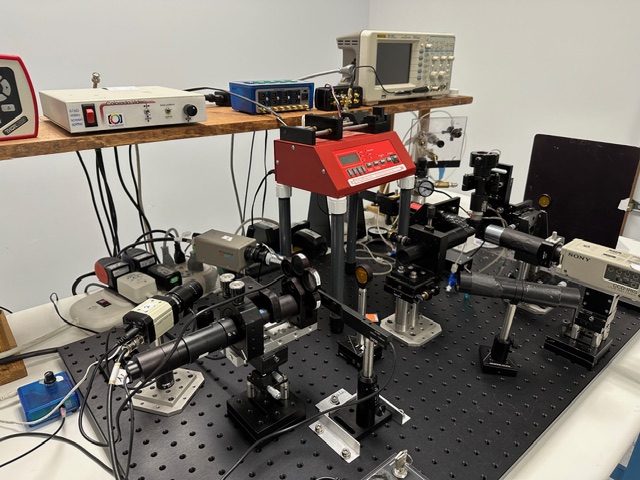
Assemble a working modular flow cytometer from components — laser, optics, detector, and electronics — and use it to measure fluorescent microspheres. Learn instrument alignment, performance diagnostics, and the engineering principles behind cytometer design. Laser safety is emphasized throughout.
Using flow cytometer simulators, explore the critical factors that affect data quality: thresholding, PMT voltage, coincidence, aggregates, and sample throughput. Covers data visualization, gating basics, and an introduction to compensation — all without using real cells or reagents.
Learn tips and tricks for success in complex high-parameter spectral flow experiments. Troubleshoot unmixing errors, controls, acquisition settings, reagent titration, and autofluorescence — the real-world challenges that make or break a spectral experiment.
Hands-on sorting lab covering instrument setup, nozzle size selection, stream stability, drop delay, and sort optimization. Students are grouped by experience level — beginner through advanced — and content is tailored accordingly.
Walk through the complete workflow of designing an optimized, rigorous, and reproducible flow cytometry panel — fluorochrome selection, spillover spreading, marker-fluorochrome pairing, controls, assay standardization, and considerations for high-dimensional data analysis.
Navigate a complete high-dimensional analysis workflow in FlowJo and OMIQ. Covers dimensionality reduction (tSNE, UMAP), automated cell classification, batch correction, trajectory inference, and differential statistics. Emphasis on understanding algorithm mechanics and when to use each approach.
Hands-on multicolor immunophenotyping: antibody/antigen kinetics, titration, clone selection, fluorochrome pairing, and surface vs. intracellular staining. Students design, optimize, and execute a complete immunophenotyping panel.
Instrument QC, daily startup protocols, bead-based performance tracking, and systematic troubleshooting. Best practices for maintaining instrument reliability and ensuring data quality before every experiment — for both core facilities and individual labs.
Combines flow cytometry throughput with imaging-based morphological analysis. Hands-on tutorials cover gating of intensity, shape, size, and texture; masking strategies; and combined morphometric/fluorescent feature selection. Includes discussion of best practices for publishing imaging flow data.
Foundations of flow cytometry data analysis: gating hierarchies, biaxial plots, histogram interpretation, Boolean gating, and generating publication-quality figures. Ideal for participants newer to data analysis workflows.
Hands-on training in preparing single-cell suspensions from complex tissues and tumor samples — dissociation methods, viability optimization, and pre-analytical variables that impact downstream flow cytometry data quality.
Master the fundamentals of antibody titration, signal-to-noise optimization, and staining protocols. Learn to calculate optimal antibody concentrations, evaluate clone performance, and develop robust, reproducible staining workflows.
| Time | Session | Type |
|---|---|---|
| Saturday, August 15 — Opening Reception | ||
| 4:30–7:30 PM | Opening Reception — included with registration | |
| Sunday, August 16 — Opening Day | ||
| 8:00 AM | Registration | |
| 8:00–9:30 AM | Breakfast | Break |
| 9:30 AM–6:00 PM | Lectures | Lecture |
| Monday–Thursday, August 17–20 — Daily Structure | ||
| 8:00 AM | Morning Lectures (2–3 sessions) | Lecture |
| 12:00 PM | Lunch Break | Break |
| 1:00 PM | Afternoon Laboratory Sessions (assigned based on preference) | Lab |
| 5:30 PM | Q&A / Open Discussion / Free Time | Break |
| 7:00 PM | Evening Social Events (select nights) | |
| Thursday, August 20 — Closing Day | ||
| 5:30–8:30 PM | Closing Reception — included with registration | |
Enrollment
Enrollment is limited to ensure each participant receives personalized attention during laboratory sessions. Registration includes all lectures, 5 assigned laboratory sessions, course materials, the opening reception (Aug 15, 4:30–7:30 PM), the closing reception (Aug 20, 5:30–8:30 PM), and social events throughout the week. Payment is processed securely via Stripe. A separate lab preference ranking form will be sent to registrants in June.
You will be redirected to our secure registration form. Payment processed by Stripe. Lab preference ranking form will follow in June.
Organized By

Oversight and support provided by Cytometry Educational Associates Inc. (CEAI)
Our Supporters
Platinum Sponsors
Gold Sponsors
Supporting Sponsors
Interested in sponsoring? Contact us for sponsorship packages and exhibitor opportunities.
Getting Here & Staying
San Diego International Airport (SAN) is the primary gateway, approximately 15 miles from the Sanford Burnham Prebys campus in La Jolla, served by most major domestic carriers.
From the Airport:
Nearby Airports:
Parking: Free parking is available at the Sanford Burnham Prebys campus.
Housing can be added during registration. We recommend booking early — La Jolla fills up fast in August.
Private room in a shared suite with shared bathroom, located on the UC San Diego campus — minutes from the SBP course venue. Linens included. Ideal for out-of-town participants who prefer a convenient, no-frills option close to the action.
La Jolla offers a range of hotels 5–15 minutes from the SBP campus. A list of preferred nearby hotels will be provided to registered participants.
Beyond the Classroom
La Jolla is one of Southern California's most beautiful destinations. Whether you have a free evening or arrive a day early, here's what's right on your doorstep.
Stunning beaches just minutes from campus. La Jolla Cove is famous for its crystal-clear water and resident colony of California sea lions and harbor seals — a genuinely wild sight. La Jolla Shores offers gentler surf ideal for swimming and kayaking.
A short walk along the La Jolla coastline takes you to the Children's Pool, where dozens of harbor seals haul out on the beach year-round. One of the most accessible seal-watching spots in the country — completely free and unforgettable.
Home to the rare Torrey pine — one of the rarest pine species in the world — this stunning coastal reserve offers clifftop trails with sweeping Pacific views. Free to walk the trails; small fee for the beach lot. Located minutes from campus.
One of the finest public golf courses in the country, perched dramatically above the Pacific Ocean. Host of multiple U.S. Opens. Tee times go fast — book well in advance. South Course is the U.S. Open venue; North Course is more accessible.
The public outreach arm of the world-renowned Scripps Institution of Oceanography, right here in La Jolla. Features tide pools, stunning kelp forests, and exhibits on ocean science and climate. A great hour or two for scientists of any stripe.
The thoroughbred summer meet runs July 17–Sept 7 — races are on all week. The prestigious Pacific Classic Stakes (G1) is Aug 22, right after the course ends. About 15 min north of campus. dmtc.com
Petco Park in downtown San Diego is one of baseball's great ballparks. The Padres host Seattle on Aug 16 — opening night of the course. They're away in Anaheim Aug 17–19. Full schedule →
La Jolla Village has something for every budget — great fish tacos, casual beachside spots, and lively bistros within walking distance of the water. Puesto and Barbarella are popular local picks. The Gaslamp Quarter in downtown San Diego is a great evening option for a wider range of food and nightlife.
About 15 minutes south, PB is San Diego's classic beachside party zone — a lively boardwalk, casual bars, surf shops, and cheap eats right on the sand. Great for a casual evening out with a young crowd energy.
A charming, laid-back surf town about 20 minutes north. Think fish tacos, reef breaks, and a relaxed coastal vibe well off the tourist trail. Great for a sunset walk or casual dinner after a long day of lectures.
Near the UCSD campus, Westfield UTC is a large open-air mall with a huge food hall, dozens of casual restaurants, shops, a movie theater, and an ice rink. Great for a quick dinner, coffee, or evening out. A short Uber from the SBP campus.
For the Community, By the Community
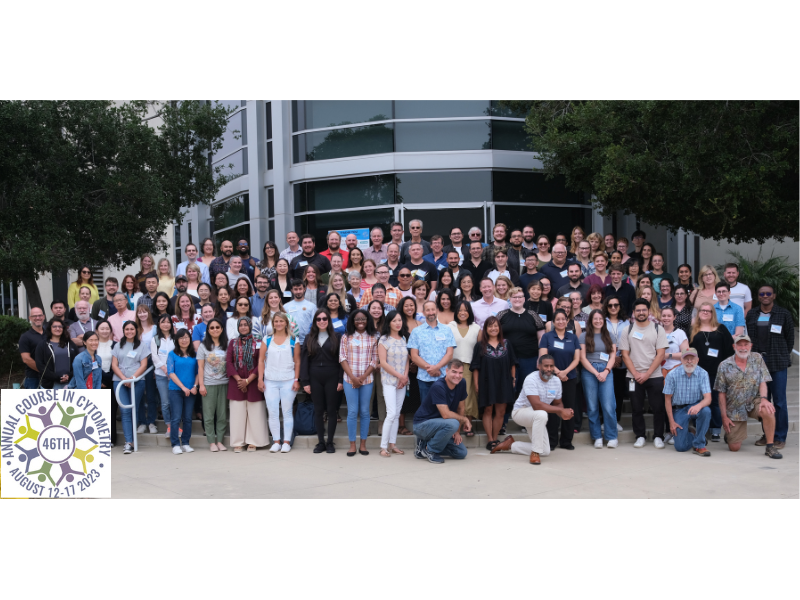
46th Annual Course in Cytometry — La Jolla, CA